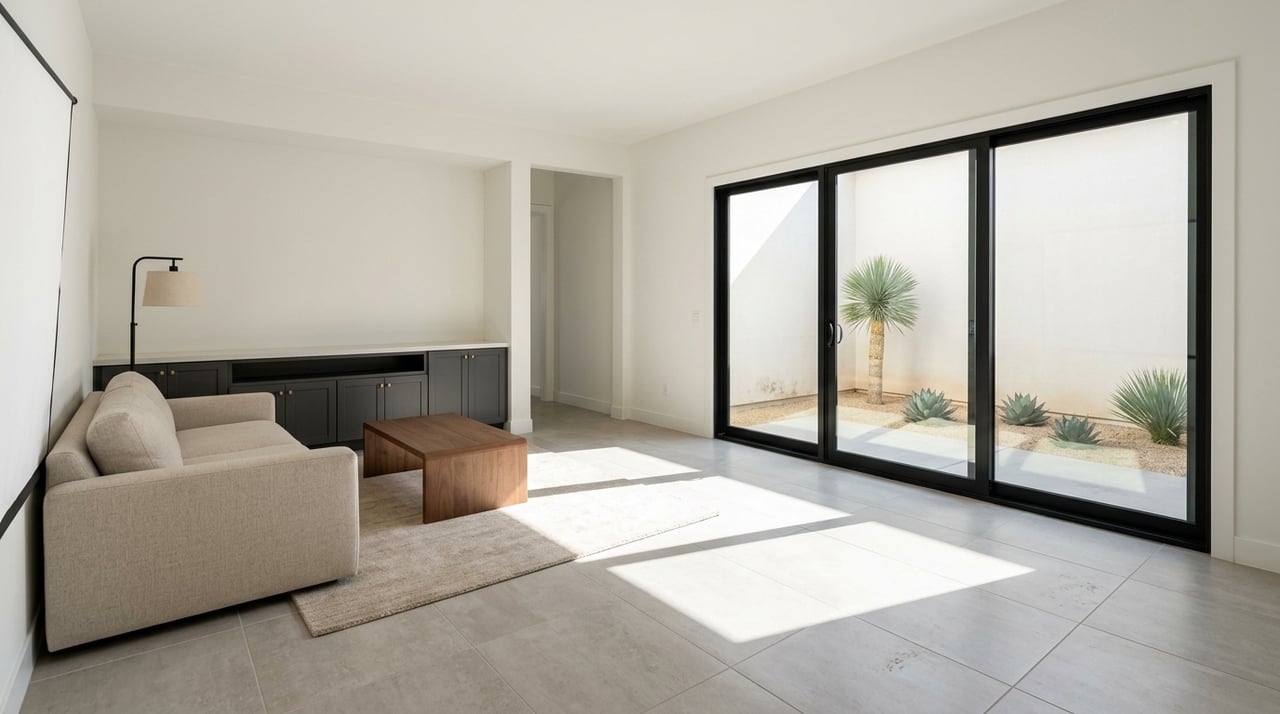
Selling your home for the first time can feel like a lot to manage, especially when you are trying to price it right, prepare it well, and avoid costly mistakes. If you own a home in Kingman, you are also dealing with a market that is active but not rushed, which means strategy matters. In this guide, you will learn what to expect, how to prepare, and where to focus so your sale moves forward with more confidence. Let’s dive in.
Understand the Kingman market
If you are selling in Kingman, it helps to start with a realistic view of the market. In February 2026, Realtor.com reported Kingman as a balanced market, with a median home price of $299,999, 67 median days on market, and homes selling about at asking price on average.
That lines up closely with Redfin’s February 2026 snapshot referenced in the research, which pointed to a roughly $300,000 median sale price and about 64 days on market. For you as a first-time seller, the big takeaway is simple: many homes are selling, but buyers still have options, so your pricing and presentation need to be sharp.
Why local pricing matters
Kingman is not one-size-fits-all. Neighborhood-level data from Realtor.com shows a wide range in median pricing, from about $197,500 in Downtown Kingman to about $390,000 in East Kingman and Hualapai Mountain Road, with Laughlin Ranch much higher.
Days on market also vary by area. That means the citywide average can only tell you so much. If you want to set the right asking price, your home needs to be compared against recent nearby sales and current competition, not just the Kingman headline number.
Price from data, not hope
For first-time sellers, pricing is often the hardest step. It is tempting to start high and see what happens, but Realtor.com’s seller guide recommends pricing from a comparative market analysis, or CMA, based on nearby sold homes, active competition, and listings that did not sell.
That advice matters even more in Kingman because homes are currently selling close to list price on average. When buyers are informed and inventory is available, an unrealistic opening price can slow your momentum instead of creating leverage.
What a strong CMA should include
A useful CMA should focus on homes that are truly comparable to yours. That usually means looking at:
- Recent sold homes near your property
- Current listings competing for the same buyers
- Listings that expired or failed to sell
- Similar size, age, condition, and lot features
- Your specific neighborhood or zip code when possible
This is where local nuance matters most. A home in Hilltop or Country Club should not be priced the same way as a home in East Kingman just because both are in the same city.
Prep the home before you list
The best pre-listing work is usually practical, not flashy. According to Realtor.com’s seller guide, first-time sellers should focus on visible wear first, including paint, landscaping, lighting, and basic hardware, while also checking larger systems like HVAC, plumbing, roofing, gutters, foundation issues, wood rot, and mold.
In other words, you do not need to overhaul everything. A shorter repair list that fixes obvious issues often does more for buyer confidence than a long wish list of cosmetic projects.
Repairs buyers notice first
Before listing, pay close attention to the basics buyers are likely to spot right away:
- Scuffed or dated paint
- Burned-out or dim lighting
- Loose handles or worn hardware
- Untidy landscaping or neglected entry areas
- Signs of deferred maintenance
- Functional concerns with major systems
When buyers see a home that looks cared for, they often feel more comfortable making a strong offer. Small fixes can help your home feel move-in ready, even if it is not brand new.
Focus staging where it counts
Staging does not have to mean fully redecorating your house. The goal is to help buyers picture how the space works. In the National Association of Realtors 2025 Profile of Home Staging, 83% of buyers’ agents said staging made it easier for buyers to imagine the property as a future home.
That same report found that the most commonly staged spaces were the living room, primary bedroom, and dining room. If your time or budget is limited, those are usually the best places to start.
Simple staging priorities
Keep your staging plan focused and practical:
- Declutter surfaces and storage areas
- Remove highly personal items
- Make kitchens and bathrooms look clean and open
- Refresh the main living area first
- Keep the primary bedroom calm and simple
- Control pet items, odors, and distractions
You are not trying to erase personality. You are trying to make it easier for buyers to notice the space, light, and layout.
Online presentation matters
Most buyers will see your home online before they ever step inside. Realtor.com’s seller guide says 97% of homebuyers use the internet at some point in their search, and 43% start online.
That means your photos, description, and overall listing presentation are not extras. They are central to your sale. Clean rooms, clear visuals, and accurate information can help attract more serious interest from the beginning.
Why timing can matter in Kingman
Kingman’s climate can shape how easy it is to prepare and show a home. NOAA climate normals for the Kingman area show average highs of 95.1°F in June, 98.7°F in July, and 97.2°F in August.
If your home needs exterior paint, yard cleanup, or curb appeal work, spring or fall may be easier seasons for getting the property photo-ready and more comfortable for showings. Timing is not everything, but it can make the process smoother.
Get disclosures ready early
One of the most common first-time seller mistakes is waiting too long to gather paperwork. The Arizona Department of Real Estate notes that material defects and liens or encumbrances must be disclosed, and buyers should receive a Seller’s Property Disclosure Statement.
For you, that means it is smart to think through known issues before your home goes live. If there has been a roof repair, plumbing problem, foundation concern, or another material issue, it is better to organize that information early than scramble later in escrow.
Older homes may need lead disclosures
If your home was built before 1978, federal rules may apply. The EPA’s lead disclosure guidance says sellers of pre-1978 housing must disclose known lead-based paint or lead hazards, provide the federal lead information pamphlet, and allow a buyer inspection period unless that right is waived.
This is especially important for older homes. Even if the property has been well maintained, age alone can trigger the disclosure requirement.
Know what happens after listing
Once your home is live, your marketing reach can expand quickly. Realtor.com’s seller guide describes a broad approach that can include the MLS, major home search portals, company websites, social media, direct mail, open houses, and local professional networks.
For you, that means the launch is not just about putting a sign in the yard. It is about making sure buyers can find your home, understand its value, and get questions answered quickly.
Review offers carefully
When offers come in, you generally have three options: accept, reject, or counter. Offers often include more than price. They may also address closing date, possession timing, deposits, and contingencies.
Common contingencies can involve financing, appraisal, inspection, title search, title insurance, and termite inspection, based on Realtor.com’s seller guide. The strongest offer is not always the one with the highest number. Terms and risk matter too.
Understand the closing process
After both sides sign, closing often happens within about 60 days, though timelines can vary based on financing and contingencies, according to Realtor.com’s seller guide.
In Mohave County, local offices still play a role in the closing environment. The Mohave County Treasurer handles real property accounts, and county recording requirements remain part of the process.
County paperwork still matters
For first-time sellers, it helps to know that closing is not only about buyer and seller signatures. County-level records matter too. The research notes that the Mohave County Recorder’s affidavit-of-property-value instructions require signatures from both buyer and seller, or their agents, along with notarization.
That is one more reason to stay organized and responsive once your transaction is underway. A smooth closing often depends on timely paperwork just as much as price negotiations.
Your first sale can be simpler
Selling your first home in Kingman does not require guesswork, but it does require a plan. When you price from local data, focus on smart prep, handle disclosures early, and stay ready for negotiation, you put yourself in a much stronger position.
If you want guidance that is practical, local, and responsive, connect with Lisa Turner for help navigating your Kingman home sale with confidence.
FAQs
How long does it usually take to sell a home in Kingman?
- Current Kingman market snapshots show roughly two months on market, with 67 median days on market reported by Realtor.com and 64 by Redfin in the research.
Is staging worth it for a first-time home seller in Kingman?
- Yes. NAR’s 2025 staging snapshot found that 83% of buyers’ agents said staging helps buyers imagine a property as a future home.
What disclosures do Arizona home sellers need to provide?
- Arizona sellers should disclose known material defects and liens or encumbrances, and buyers should receive a Seller’s Property Disclosure Statement.
What if my Kingman home was built before 1978?
- If your home was built before 1978, federal lead-based paint disclosure rules may apply, including disclosure of known hazards and delivery of the required EPA pamphlet.
Why is neighborhood pricing important when selling a Kingman home?
- Kingman home values and days on market can vary widely by area, so neighborhood-level comparable sales are more useful than relying only on the citywide median.
What local offices matter during a Kingman home closing?
- Mohave County offices still matter during closing, including the Treasurer for real property accounts and county recording processes tied to final paperwork.