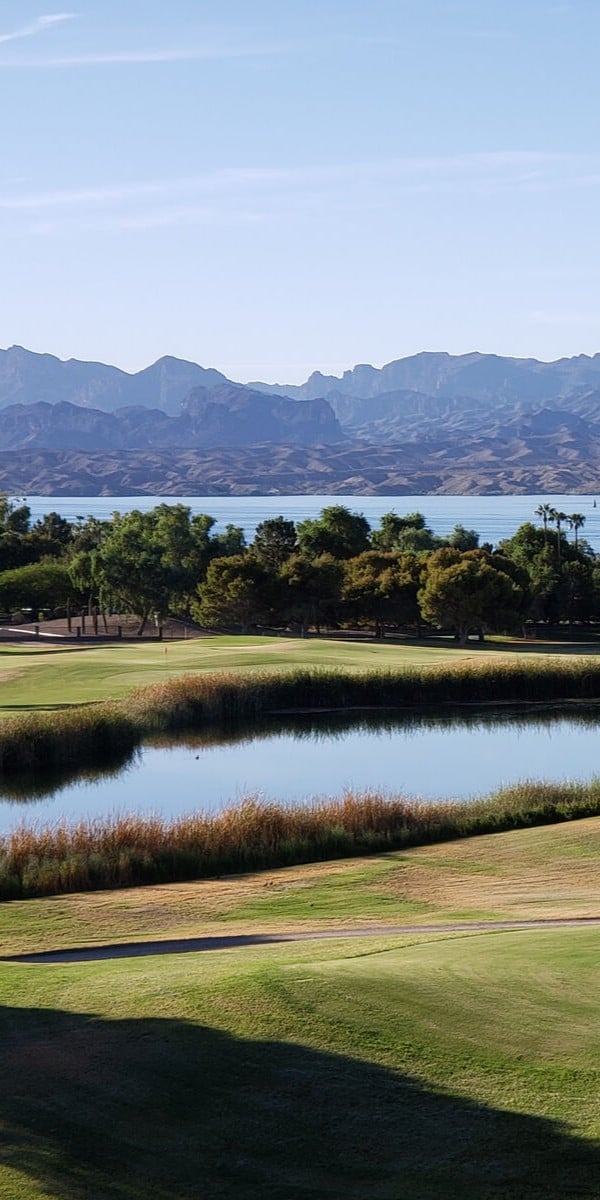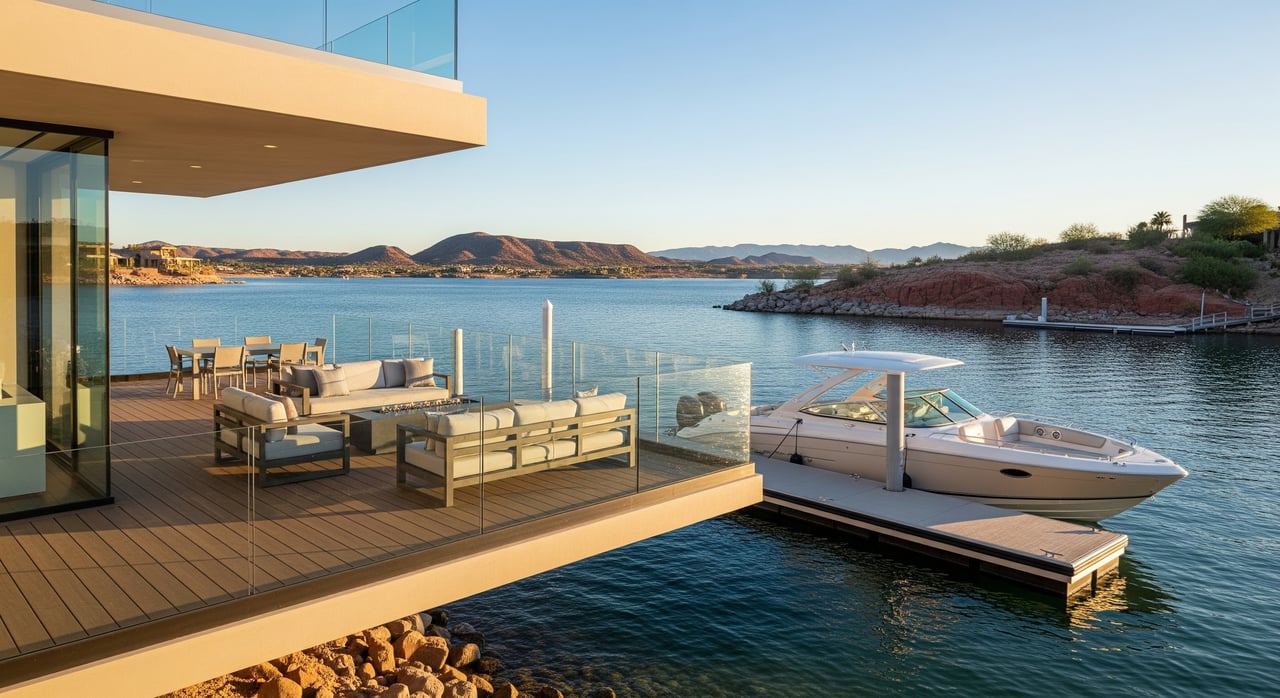
Imagine waking up to glassy water, launching a boat before breakfast, and capping the day with sunset views over desert cliffs. If waterfront living in Lake Havasu City is on your wish list, you want the real picture of daily life, seasons, and what to check before you buy. You deserve clear, local guidance so you can match your lifestyle and investment goals to the right property. This guide walks you through what life feels like on the water, what changes with the seasons, and the practical details to review before you start your search. Let’s dive in.
Lake Havasu at a glance
Lake Havasu City sits on the eastern shore of a Colorado River reservoir shaped by Parker Dam. The shoreline blends public parks, marinas, canal areas, and a lively zone around the London Bridge. You can see current park access and maps through Lake Havasu State Park and the City of Lake Havasu City.
The climate is desert dry with very hot summers and mild winters. Daytime highs often top 100°F in July and August, while winter days are comfortable for outdoor time. For planning your routines and guests’ visits, check NOAA climate summaries for seasonal norms.
Waterfront lifestyle, day to day
Boating shapes everyday life here. You will see houseboats, pontoons, wake boats, jet skis, kayaks, and anglers sharing the same water. Many owners store boats on trailers at home, while others prefer slips at local marinas. Slip availability can be competitive, so ask about current wait times as you plan.
Fishing is a year‑round pastime. The lake holds largemouth and striped bass, crappie, and catfish typical of the lower Colorado River system. Review species info and current rules through the Arizona Game and Fish Department, and brush up on safety and registration through Arizona Boating.
Off the water, your routines will differ by neighborhood. Around the London Bridge and Bridgewater Channel, you can walk to restaurants, bars, and shops. In many lake‑close areas, you will drive a few minutes for groceries, medical care, and big‑box retail. City parks and canal paths add easy strolls, with beaches and picnic spots at Lake Havasu State Park and parks listed on the city site.
Seasons and crowd patterns
Winter brings snowbirds and a lively social scene during the day, with weekends and holidays a bit busier than weekdays. Spring is prime boating season. Event weeks and holidays can mean heavier boat traffic and dock congestion. You can browse upcoming happenings on Visit Lake Havasu and the Lake Havasu Chamber of Commerce.
Summer heat shifts routines. Many locals head out at sunrise or near sunset, plan indoor time midday, and spend afternoons in shaded yards or pools. Holiday weekends like the Fourth of July and Labor Day are famously active on the water and near public ramps.
Property types and tradeoffs
- Direct waterfront. Private shoreline access or a private dock. You get the fastest water access with higher purchase price and more upkeep.
- Canal or river channel. Bulkheaded frontage and direct boat moorage. Popular for easy access with a neighborhood feel.
- Lake‑close homes. A short walk or drive to ramps, marinas, or beaches. Often lower maintenance than true waterfront.
- Condos and planned communities. Shared docks or amenities, plus HOA rules that may shape rentals and boat storage.
Choose based on how you use the water, how much upkeep you want, and whether you plan to host guests or renters.
Ownership costs and rules
Waterfront living can add recurring costs. Budget for:
- Dock, lift, and seawall maintenance, plus occasional inspections or repairs
- HOA fees if you buy in a community with shared facilities
- Insurance that fits your risk profile; confirm if flood coverage is needed using the FEMA Flood Map Service Center
- Utilities and potential septic versus sewer service, depending on location
Confirm regulations before you alter shorelines or add structures. Docks, lifts, bulkheads, and similar projects may need approvals from federal, state, and local agencies. Start with the City of Lake Havasu City for permits and development questions, and check Arizona Game and Fish for boating and registration guidance.
Water levels and long‑term outlook
Lake Havasu’s water level reflects operations along the Colorado River. Regional drought management, seasonal releases, and river operations can influence shoreline access and marina logistics over time. If you plan to own for many years or maintain a dock, follow updates from the U.S. Bureau of Reclamation so you understand the broader context as you evaluate locations and dock elevations.
Access, services, and daily logistics
Remote owners often drive in from regional hubs. Typical drive times are about 2.5 to 3 hours from Las Vegas and 3 to 4 hours from Phoenix, depending on traffic and your route. Plan for peak weekend travel around major events and holidays.
Most residents rely on cars. Some lake‑adjacent pockets are easy to bike or walk for meals and errands, but you will likely drive for larger shopping trips. The city has local medical facilities, and residents sometimes travel to Kingman, Phoenix, or Las Vegas for specialized care.
Summer heat is a fact of life. Make hydration a habit, schedule heavy outdoor tasks early, and confirm that any property you consider has strong cooling, shade, and low‑maintenance desert landscaping.
Renting your home responsibly
Short‑term rental interest revolves around the lake season and event calendar. Income potential varies with location, property type, and furnishings. Before you count on revenue, verify city rules, taxes, and business licensing, and confirm HOA covenants. Start with the City of Lake Havasu City for codes and contacts, then check event timing on Visit Lake Havasu to understand seasonal demand.
Buyer checklist: what to verify
Use this list to focus your due diligence:
- Waterfront specifics. Is there legal shoreline access, a permitted dock, shared easements, or an assigned slip? Who maintains docks and seawalls?
- Flood and shoreline risk. What FEMA flood zone applies, and what are the recent water‑level patterns? Check maps through FEMA MSC.
- Water‑level context. Are there current or planned river operations that could affect your dock elevation or marina access? Follow the Bureau of Reclamation.
- Rules and permits. What do city codes allow for docks, lifts, and shoreline work? Start with the city’s planning and permits pages.
- Short‑term rentals. Does the city allow STRs at this address and does the HOA permit them? What are typical peak and shoulder season occupancy patterns?
- Operating costs. What are typical summer and winter utility costs, insurance, and HOA fees for comparable properties?
- Everyday convenience. How far are grocery stores, medical care, and emergency services? What is weekend parking like at nearby ramps?
- Boating logistics. What are the local rules for boat registration, mooring, safety gear, and noise? Review Arizona Boating guidance.
Where to start your search
Think about how you will actually use the water. If dockside mornings are your dream, focus on direct waterfront or canal properties. If low maintenance and quick ramp access fit your pace, explore lake‑close homes or condos with shared amenities. A trusted local partner can help you compare neighborhoods, confirm rules, and weigh rental potential against lifestyle goals.
Ready to map the right waterfront for you? Reach out for neighborhood‑first guidance, clear next steps, and hands‑on support from search to closing and beyond. Connect with Lisa Turner to get started.
FAQs
What is Lake Havasu City’s climate like for year‑round waterfront use?
- It is a desert climate with very hot summers and mild winters, so most people boat early and late in summer and enjoy comfortable daytime weather in winter. Check NOAA climate summaries as you plan.
How busy does the lake get during events and holidays?
- Spring and holiday weekends bring the most boat traffic and dock congestion, especially near public ramps and the Bridgewater Channel. See event timing on Visit Lake Havasu.
Are docks and shoreline structures regulated in Lake Havasu City?
- Yes. Docks, lifts, and shoreline work can require permits from city and state agencies. Start with the City of Lake Havasu City and review Arizona Boating rules.
How do Colorado River operations affect waterfront property owners?
- Water‑level changes can influence dock usability and marina access over time. Track updates from the U.S. Bureau of Reclamation and confirm dock elevations during due diligence.
Do I need flood insurance on a Lake Havasu waterfront home?
- Requirements depend on your FEMA flood zone and lender. Check your parcel on the FEMA Flood Map Service Center and talk with your insurer.
What should I consider if I plan to use the home as a short‑term rental?
- Verify city regulations, taxes, and HOA rules before you buy, and align your calendar with seasonal demand. Use the city site plus Visit Lake Havasu for planning.