Are you picturing a retirement that feels simpler, steadier, and easier to enjoy day by day? If you are considering Kingman, Arizona, you are probably looking for more than a house. You want to know what life actually feels like once the moving boxes are gone. This guide walks you through Kingman’s pace, climate, recreation, and everyday conveniences so you can picture your retirement routine with more confidence. Let’s dive in.
What Retirement Feels Like in Kingman
Kingman offers a small-city feel with room to breathe. The city’s 2025 population estimate is 35,829, and 25.4% of residents are 65 or older. That is a larger share than Arizona overall, which suggests many people here are already living the kind of later-life routine you may be seeking.
At the same time, Kingman is not standing still. The city has grown about 9.6% since the 2020 base, so you get a place that is still evolving without feeling rushed or crowded. For many retirees, that balance can be appealing.
The physical layout also shapes daily life. Kingman covers 37.55 square miles, has about 870.6 people per square mile, and the mean commute time is 17.7 minutes. In practical terms, that points to a drive-based, low-pressure routine rather than a fast urban rhythm.
Why Kingman Appeals to Retirees
For many buyers, retirement planning starts with cost, comfort, and convenience. Kingman stands out because it combines relatively moderate housing costs with access to recreation, local events, and healthcare services in town. That can make everyday living feel more manageable.
Housing numbers help tell the story. Kingman’s median owner-occupied home value is $267,700, compared with Arizona’s statewide median of $394,500. Median gross rent is $1,058 in Kingman versus $1,543 statewide, and 68.4% of housing units are owner-occupied.
Those numbers do not guarantee the right fit for every budget, but they do suggest Kingman may offer more breathing room than many Arizona markets. If you are comparing retirement destinations, that difference is worth a closer look.
Kingman’s Daily Rhythm by Season
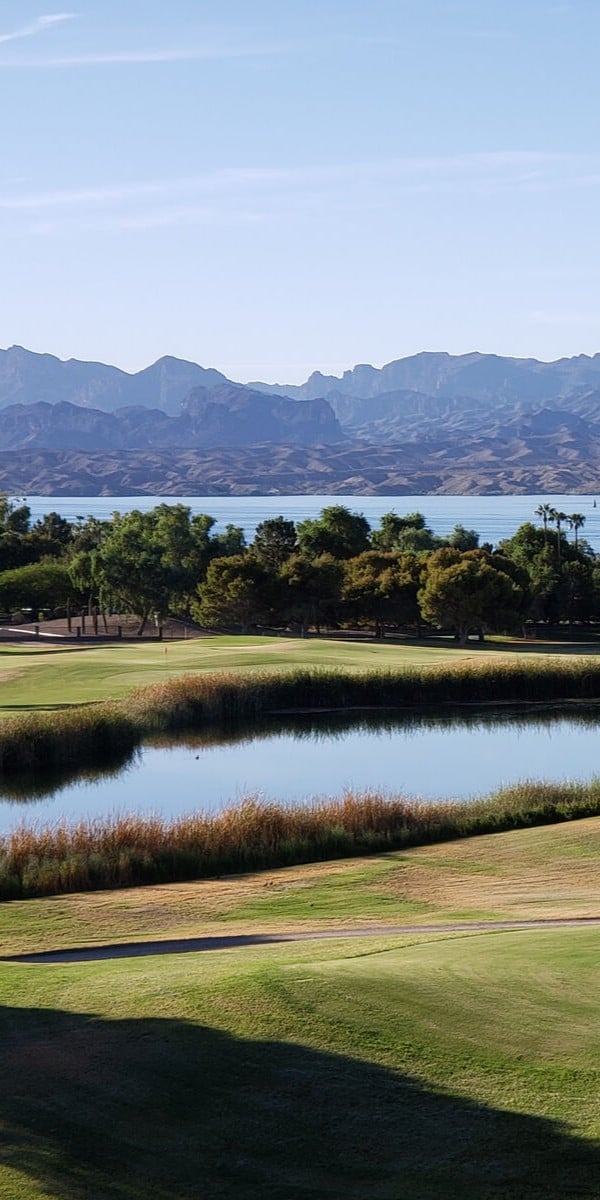
One of the biggest questions retirees ask is simple: what will a normal day feel like here? In Kingman, the answer depends a lot on the season. The city’s high-desert climate shapes how people plan errands, exercise, and social time.
Kingman’s NOAA station sits at 3,420 feet. Climate normals from 1991 to 2020 show an average annual temperature of 62.6°F and annual precipitation of 8.00 inches. That means you are looking at a generally dry climate with distinct summer and winter patterns.
Summer Routine in Kingman
Summer is hot and dry. July averages 98.7°F for highs and 70.0°F for lows, while August averages 97.2°F and 68.9°F. Because of that, many people naturally shift outdoor time earlier in the day.
If you retire in Kingman, your summer rhythm may look something like this: early walk, coffee, errands by late morning, then indoor time during the hottest part of the day. Later in the evening, you may head back out for dinner, events, or a relaxed drive. The heat is real, but it does not have to control your lifestyle if you plan around it.
Cooler Months and Shoulder Seasons
Winter is milder than many retirees expect. December averages 55.7°F for highs and 30.2°F for lows, while January averages 57.4°F and 30.9°F. That can make daytime outings more comfortable during the cooler months.
Spring and fall are often where Kingman’s lifestyle really shines. These shoulder seasons make it easier to enjoy trails, downtown walks, community events, and scenic drives without the intensity of peak summer afternoons.
Outdoor Life Without Big-City Pressure
If staying active matters to you, Kingman gives you several ways to build movement into your week. The key difference is that recreation here tends to feel practical and accessible, not overly scheduled or complicated. You can keep it simple.
The Cerbat Foothills Recreation Area offers 43.4 miles of trails for hiking, equestrian use, and mountain biking. It also links Downtown and Uptown Kingman, which helps connect outdoor activity with everyday in-town living.
Hualapai Mountain Park adds another option when you want cooler temperatures and a change of scenery. The park has 10 miles of trails at 6,500 feet, and Mohave County notes that conditions are most comfortable from September through May, with early-morning summer use still feasible. Seasonal camping runs from May 1 through October 31.
For many retirees, that means you can mix easy local outings with occasional higher-elevation escapes. You do not need an elaborate plan to enjoy your surroundings.
Historic Downtown Adds Everyday Variety
Not every retirement routine needs to center on hiking or long day trips. Sometimes what matters most is having pleasant places to walk, browse, eat, and explore close to home. That is where Historic Downtown Kingman plays an important role.
Downtown Kingman includes a self-guided walking tour with more than 40 historic sights and buildings on the National Register of Historic Places. Along Beale Street and Andy Devine Avenue on Historic Route 66, you will find small businesses, dining, and shopping that can add variety to an ordinary week.
The Powerhouse is another local anchor. It houses the Arizona Route 66 Museum and the Route 66 Electric Vehicle Museum. For retirees, places like these can turn a simple afternoon into something enjoyable without needing a major outing.
Community Events Keep the Calendar Full
A good retirement lifestyle often depends on having enough to do without feeling overbooked. Kingman’s event calendar supports that kind of balance. You can join in when you want to and keep your schedule open when you do not.
Recurring events highlighted on the local tourism calendar include Concert in the Park, Downtown First Fridays, market days, classic-car gatherings, Route 66 street drags, the Mohave County Fair, and seasonal holiday lights and tree-lighting events. That range gives you options across the year.
This matters because daily rhythm is not just about weather or errands. It is also about having regular chances to get out, see people, and enjoy the community at your own pace.
Easy Day Trips Expand Your Lifestyle
Retirement in Kingman does not have to stay inside the city limits. One of the practical advantages of living here is that water-based recreation and scenic destinations can fit into your routine as day trips.
Lake Mead National Recreation Area spans 1.5 million acres across Arizona and Nevada. It supports boating, fishing, camping, scenic drives, biking, and hiking. That gives you a broad mix of options when you want a bigger outdoor day.
Lake Havasu State Park is another accessible option for river and lake recreation. It offers beachfront camping, boating, trails, and Colorado River access. If your ideal retirement includes occasional time on or near the water, Kingman makes that easier to work into your lifestyle.
Healthcare and Wellness in Town
For many retirees, healthcare access is not a side issue. It is a major part of choosing where to live. Kingman offers meaningful local support in this area.
Kingman Regional Medical Center is the area’s healthcare anchor. KRMC is a 235-plus-bed multi-campus system and Arizona’s first rural teaching hospital. It provides 24/7 emergency care, a Level IV trauma center, urgent care seven days a week, imaging services, specialty clinics, hospice, and a wellness center.
That kind of local access can make day-to-day life feel more secure. Instead of relying heavily on a distant city for routine or urgent needs, you have a broad set of services available in town.
Senior Wellness and Nutrition Support
Retirement lifestyle is also about staying active and supported, not just having medical care nearby. KRMC’s Del E. Webb Wellness Center offers cardiovascular and strength equipment, classes, and a heated indoor pool. That gives you a practical option for year-round exercise, including during hot weather.
Mohave County’s Senior Nutrition Program adds another layer of support. It offers congregate meals and home-delivered meals, including service through the Kingman Senior Nutrition Center. For many households, services like these can make aging in place more realistic and comfortable.
Is Kingman Affordable for Retirement?
Affordability means different things to different people, but housing is often the biggest line item. Based on current census figures, Kingman compares favorably with Arizona overall on both home values and rent. That can be especially important if you are downsizing, preserving retirement income, or relocating from a higher-cost area.
Kingman’s median home value is $267,700, while the statewide median is $394,500. Median gross rent is $1,058 in Kingman compared with $1,543 statewide. The city’s median household income is $61,792, which helps provide context for local cost patterns.
No city is one-size-fits-all, but Kingman does appear to offer a more moderate housing picture than many parts of Arizona. For retirees who want a practical market with everyday convenience, that is a real point in its favor.
Who May Feel Most at Home in Kingman
Kingman can be a strong fit if you want a retirement built around routine, manageable costs, and flexible recreation. It may especially appeal to you if you like the idea of morning outdoor time, local drives instead of long commutes, and a calendar that includes both quiet days and community events.
It may also suit you if you want access to healthcare, local services, and nearby destinations without paying prices that are common in some larger Arizona markets. The lifestyle here is less about nonstop activity and more about steady, usable living.
If that sounds like the retirement you are after, it helps to explore not just listings, but how different parts of Mohave County support the pace you want. When you are ready to talk through your options, Lisa Turner can help you compare locations, home styles, and everyday lifestyle fit across the region.
FAQs
Is Kingman, Arizona good for retirees who want a slower pace?
- Yes. Kingman’s size, lower population density, and 17.7-minute mean commute support a calm, drive-based daily routine.
Is Kingman, Arizona affordable compared with other parts of the state?
- In terms of housing, often yes. Kingman’s median home value of $267,700 and median rent of $1,058 are both lower than Arizona’s statewide medians.
Does summer heat in Kingman, Arizona affect retirement life?
- Yes, summer heat is an important planning factor. July and August average highs are near 98°F, so many residents shift outdoor time to mornings and cooler seasons.
Are there things to do in Kingman, Arizona during retirement?
- Yes. Retirees can enjoy Historic Downtown Kingman, Route 66 museums, Cerbat Foothills trails, Hualapai Mountain Park, recurring local events, and lake-focused day trips.
Is healthcare close by for retirees in Kingman, Arizona?
- Yes. KRMC provides emergency care, urgent care, imaging, specialty clinics, hospice, wellness services, and other healthcare support in town.
Are there wellness and senior support options in Kingman, Arizona?
- Yes. KRMC’s Del E. Webb Wellness Center includes fitness equipment, classes, and a heated indoor pool, and Mohave County supports senior nutrition services in Kingman.