Dreaming about a second home on the river? In Parker, that decision involves more than picking a view you love. You also need to think through river access, property type, utilities, flood considerations, and whether you may use the home as an occasional rental. This guide will help you focus on the details that matter most so you can buy with more confidence. Let’s dive in.
Why Parker attracts second-home buyers
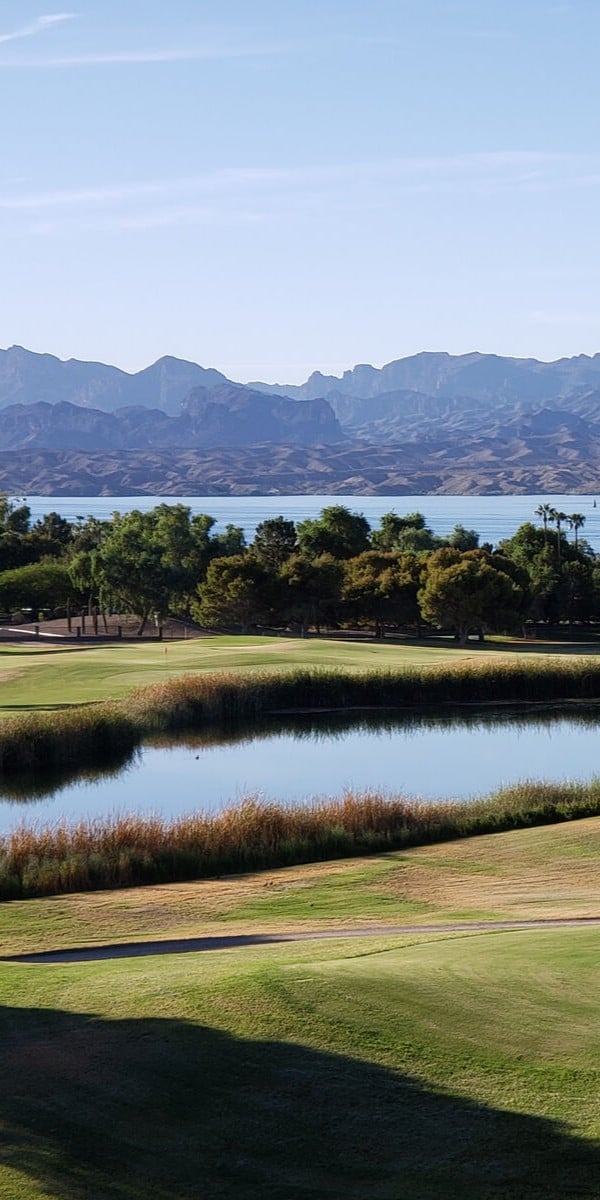
Parker’s river appeal is easy to see. The Parker Strip Recreation Area is known for boating, fishing, camping, swimming, hiking, and year-round riverfront use, which makes the area especially attractive for buyers who want a lifestyle centered on the lower Colorado River.
That lifestyle also shapes the local real estate mix. Chamber listings show a resort-oriented market with options tied to RV resorts, marinas, and waterfront villas, including properties such as Pirate’s Den RV Resort & Marina. In other words, Parker does not always look like a typical suburban second-home market.
Know Parker property types
One of the biggest differences in Parker is the range of ownership styles you may encounter. Along with traditional detached homes, buyers may also come across manufactured homes, park models, RV-based setups, and other nontraditional property formats.
That matters because La Paz County has specific building and placement rules. According to the county’s Building Safety and Permits information, manufactured homes, park models, containers, and RVs placed on privately owned parcels require a placement permit before use, and homes manufactured before June 15, 1976 cannot be placed in the county.
If you are comparing a conventional home to a park-model or RV-style property, ask early about how the property is classified, what is included in the sale, and what approvals were required for placement or use. That can save you time before you get too far into the process.
Why jurisdiction matters
Not every Parker-area property falls under the same rules. La Paz County notes that it regulates development activity and land use in unincorporated areas, so it is important to verify whether a property is inside the Town of Parker or in unincorporated county territory.
That distinction can affect permits, utilities, and development rules. A home that looks similar on paper may have different requirements depending on where the parcel sits.
Check river and boat access carefully
For many second-home buyers, access is just as important as the home itself. Parker is built around active river use, and public sites like Rock House Recreation Area and Take Off Point within the Parker Strip area are reminders that boating and water access are part of daily life here.
But access is not the same at every location. BLM says Rock House is reached by driving over Parker Dam to the California side, and oversized vehicles and vehicles towing trailers are not allowed to cross the dam on that route. If you expect to move a boat or trailer often, route restrictions should be part of your home search from the start.
Ask practical storage questions
Before you write an offer, confirm whether the property can handle the way you plan to use it. A scenic river-area purchase may still fall short if it does not work for your trailer, RV, side-by-side, or guest parking needs.
Ask questions like:
- Is boat or trailer parking allowed on-site?
- Are there park or resort rules that limit RV storage?
- Is there enough room for turning, backing, and loading gear?
- Will you need a shed, carport, driveway extension, or grading work later?
If you plan improvements that affect the county right-of-way, La Paz County says an encroachment permit is required for that work. In unincorporated areas, other site changes may also be subject to county permitting.
Review utilities by parcel
Utility service is one of the most important due diligence items for a Parker second home. You should not assume every parcel has the same provider or service setup.
La Paz County lists multiple water providers in the Parker area, including the Town of Parker and CRIT Utilities, along with multiple sewer providers such as Colorado River Joint Venture in the Town of Parker and Buckskin Sanitary District between the CRIT reservation and Parker Dam. You can review the county’s water and utility information to understand how service can vary by location.
For you as a buyer, that means it is smart to verify:
- Water provider
- Sewer provider or septic system status
- Well status, if applicable
- Any service limitations tied to the parcel’s location
Septic and well questions to ask
If the home uses septic, due diligence becomes even more site-specific. La Paz County states on its sanitation and septic page that a qualified inspector must inspect an on-site wastewater system within six months before ownership transfer.
If the property has a well or you may want to add one later, the same county page notes that a Notice of Intent to Drill must be filed with ADWR before drilling, deepening, or modifying a well, and the county charges a $100 well-approval fee in addition to the ADWR fee. Those are details worth confirming early if the property relies on private systems.
Understand ownership costs early
The purchase price is only part of the picture for a second home. Parker-area ownership costs can vary based on the parcel, tax district, utility setup, and flood exposure.
La Paz County property taxes are due October 1 for the first half and March 1 for the second half, according to the La Paz County Treasurer FAQs. The county also publishes tax rates by district, not as one universal Parker rate, so your actual tax bill depends on the property’s exact location.
That is why it helps to verify the parcel’s tax district early instead of estimating from a nearby property. Small location differences can change your numbers.
Factor in flood risk
For river-adjacent property, flood risk should always be part of your planning. FEMA explains that flood insurance is separate from homeowners insurance and is required for many high-risk properties with government-backed mortgages.
La Paz County’s floodplain rules also point buyers toward FEMA mapping and local floodplain permit guidance. If a property is near the river or in a mapped flood area, make sure you understand how that may affect insurance, future improvements, and overall carrying costs.
Think through occasional rental use
A lot of second-home buyers want flexibility. You may plan to use the property most of the year and rent it occasionally, or you may simply want the option later. In Parker, that question should be addressed early because tax and registration rules depend on how the home will be used.
Rentals of 30 days or more
The Arizona Department of Revenue says that beginning January 1, 2025, residential rentals of 30 days or more no longer collect or remit city TPT, and there is currently no state or county tax on residential rentals. Even so, La Paz County still requires residential rental registration with the county assessor, and the county’s notice says that registration applies regardless of rental term length, with a $10 fee for each initial registration or change. You can review the state guidance on residential rental rules.
Short-term rentals under 30 days
Short-term stays are treated differently. The Arizona Department of Revenue says bookings of less than 30 days remain subject to Arizona TPT, and the property owner or operator must have a current TPT license. The state also says the license number must appear in advertising, and a license is still required even when bookings come through an online lodging marketplace that remits the tax. See the ADOR guidance on short-term lodging requirements.
If occasional rental use matters to you, treat that as part of your purchase criteria. It should be reviewed alongside utility questions, storage rules, and flood considerations, not after you close.
A practical Parker buying checklist
As you compare river properties, keep your search focused on the details that affect your actual use of the home.
Here is a simple checklist to bring into each showing or buyer consultation:
- Confirm whether the property is in the Town of Parker or unincorporated La Paz County
- Identify the property type and whether any placement permits were required
- Verify boat, trailer, RV, and toy parking rules
- Check launch access and travel routes if you tow regularly
- Confirm water, sewer, septic, or well details
- Review tax district and estimated property taxes
- Check flood zone status and likely insurance needs
- Ask whether your intended rental use fits state and county requirements
- Review any planned site improvements that may need permits
Buy with a river-use mindset
The best Parker second-home purchase is not always the one with the most eye-catching listing photos. It is the one that fits how you will actually use the property, whether that means weekend boating, seasonal stays, RV flexibility, or occasional rental income.
When you look at Parker through that lens, the right questions become clearer. Access, permits, utilities, taxes, and rental compliance are not side issues here. They are central parts of making a smart river-property decision.
If you want guidance that is clear, practical, and tailored to your goals, connect with Lisa Turner for help exploring your next Arizona river property with confidence.
FAQs
What makes Parker second-home properties different from a typical suburban market?
- Parker buyers often compare traditional houses with manufactured homes, park models, RV-based setups, and resort-oriented properties, so property type and local placement rules matter more than in many suburban markets.
What should you verify about boat access for Parker river properties?
- You should confirm launch access, trailer routes, and on-site parking because some access points, including Rock House, have route restrictions for oversized vehicles and vehicles towing trailers.
What utility questions should you ask before buying a Parker second home?
- You should verify the parcel’s water provider, sewer provider, septic status, and well details because utility service can vary by location in the Parker area.
What are the main flood insurance considerations for Parker river homes?
- Flood insurance is separate from homeowners insurance, and for some high-risk properties with government-backed mortgages it may be required, so flood mapping and insurance costs should be reviewed early.
What should you know about renting out a Parker second home?
- Rentals of 30 days or more follow different tax rules than stays under 30 days, and La Paz County requires residential rental registration regardless of rental term length.