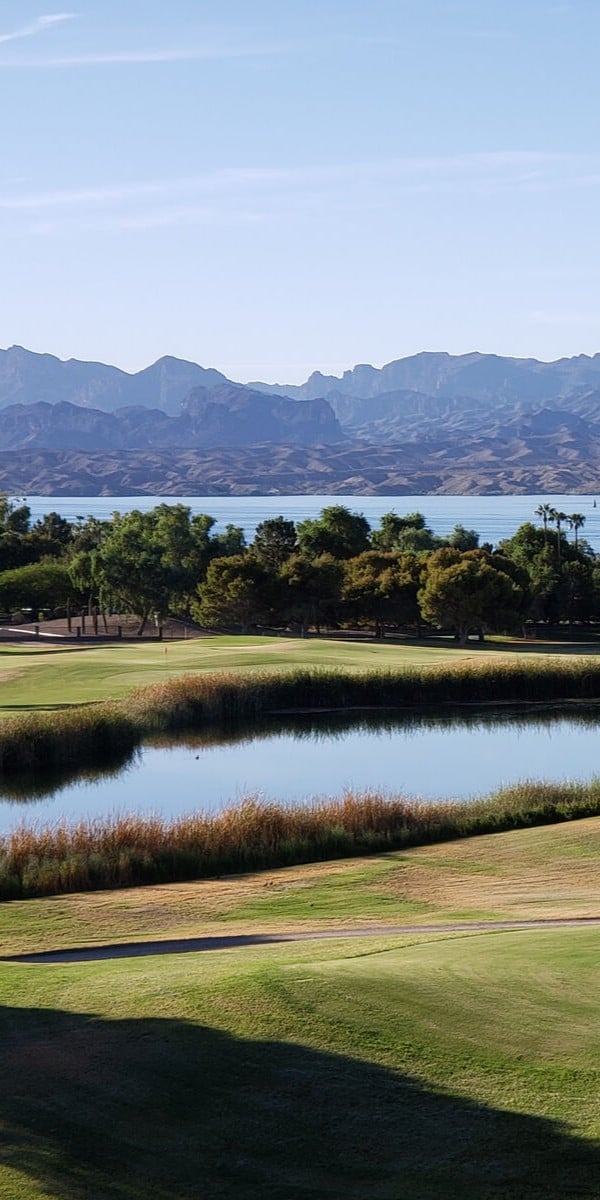
On June 9, 2026, a home on Lakeview Drive closed escrow in a single day. The sale price came in around $1.84 million, or roughly $425 per square foot, for a riverfront property with dock rights on the Colorado River. It was a clean, fast, well-documented transaction. It was also enough, on its own, to push that month's reported median home price for the broader Parker market well above where it would otherwise have landed.
That is the part most people miss when they see a "Parker median home price" headline and start doing math on their own offer. A single closing, if it is unusual enough, can move a monthly number more than a whole season of typical sales. And in a market as small as Parker, that happens more often than buyers expect.
Here is the claim this piece is built around: Parker does not have one housing market. It has two, running side by side under the same town name, and they price so differently that comparing them without separating them first will lead a buyer to overpay or a seller to underprice.
Two Parkers Wearing One Name
The first market is inland Parker, the conventional stick-built and manufactured housing stock away from the river. As of July 2026, the trailing 12-month median sale price there sits near $245,000, down roughly 18 percent year over year. Homes in that segment were spending a median of 82 days on the market, closing at about 94 percent of asking price.
But look at what sellers were actually asking. The median list price across active inland Parker inventory sat at $377,300, a gap of more than $130,000 above the trailing sold median. That spread is not a typo and it is not a coincidence. It is a town where a meaningful share of sellers are still pricing to what a similar home might have fetched a couple of years ago, and the market is quietly correcting past them.
The second market is the Parker Strip, the 16-mile riverfront corridor running along State Route 95 between Parker Dam and the town of Parker. As of August 2026, its median sits at $408,000, with 9 to 13 months of supply and days on market stretched to 110 to 140. Sale-to-list ratios there run 91 to 95 percent. Entry-level off-water cabins in Strip communities start between $130,000 and $250,000, while premier riverfront estates with real dock frontage push $2 million to $3 million. The $408,000 median is the blended middle of that spread, not a price any typical buyer should expect to pay for either end of it.
| Inland Parker | Parker Strip | |
|---|---|---|
| Median price | ~$245,000 (trailing 12-mo, July 2026) | $408,000 (August 2026) |
| Days on market | 82 | 110 to 140 |
| Sale-to-list ratio | 94% | 91 to 95% |
| Price driver | General housing stock | Dock rights, frontage, leased vs. deeded land |
| Notable event | $377,300 median ask vs. $245K sold | One $1.84M sale skewed a single month |
Same town. Same season. Two economies that don't behave the same way and shouldn't be read off the same headline number.
Why the River Runs on Its Own Clock
The Strip prices differently because it is not really competing with the rest of Parker for buyers. Water levels along this stretch of the Colorado River are federally controlled through Parker Dam, which keeps the calm, no-wake water that makes it popular for family boating rather than the faster current found elsewhere on the river. That, combined with a fixed 16-mile shoreline that cannot be expanded, means supply on the Strip is capped in a way inland Parker's supply is not. You can build another subdivision inland. You cannot build another mile of river frontage.
Named communities along the corridor illustrate the range inside that one median. Gated communities with a launch ramp, mooring dock, and shared amenities sit at the mid tier, offering river and mountain views without direct frontage pricing. Places like Moovalya Keys, Bluewater Lagoon, Castle Rock Shores, Big Bend Resort, and Moonridge Marina each carry their own pricing logic depending on whether the underlying parcel is deeded or held on leased land, and whether the home comes with a private dock, a shared dock, or none at all. A dock alone can be the difference between a home trading near the median and one trading well above it.
Parker also sits in rare company. It is one of only three places in Arizona with true year-round river-frontage housing, alongside Bullhead City and Lake Havasu City. That scarcity is part of why Strip pricing holds up even while inland Parker's median is falling.
A median price only tells you something once you know which market produced it.
What This Means If You're Listing This Fall
If you're selling inland, the $377,300 median ask still floating around active listings is not a target. It is evidence of a pricing lag the market has already moved past. The sold data, not the aspirational data, is what a buyer's lender will use to justify an appraisal.
If you're selling on the Strip, August is the deepest buyer-favorable window of the year, with supply stretched to 9 to 13 months and days on market running 110 to 140. Waiting is a defensible choice if you can carry the property, because snowbird buyer traffic typically returns in October and pricing power shifts back toward sellers from November through May. Listing into the summer slow season and expecting spring-level competition is not.
What This Means If You're Buying Under $500,000
For a buyer coming from a coastal market, Parker Strip waterfront remains one of the more accessible ways to own river frontage in Arizona under $500,000, with the tradeoff being a smaller town and a longer drive to retail than Lake Havasu City offers. Inland Parker's tourism economy, anchored in part by BlueWater Casino, is what keeps the broader housing market functioning year-round even as its median softens, which matters if you're weighing rental demand or resale liquidity outside the waterfront segment.
Before you anchor to any number you see for Parker, ask four questions. Is this comp from the Strip or from inland Parker? Is the parcel deeded or on leased land, since that changes financing and resale in ways price alone won't show? Does the listed price include dock rights, or would you be adding that cost later? And is the figure you're looking at a trailing 12-month median or a single month that could be carrying one outlier sale, the way June 2026 carried Lakeview Drive?
FAQ
Why do two median price numbers for Parker look so different? Because they describe two different segments of housing. Inland Parker's trailing 12-month median near $245,000 as of July 2026 reflects general housing stock. The Parker Strip's $408,000 median as of August 2026 reflects a fixed-supply waterfront corridor where dock rights and frontage carry real premiums. Blending them into one "Parker" number hides both stories.
Is now a good time to buy on the Parker Strip? Supply and days on market both favor buyers heading into fall 2026, with 9 to 13 months of inventory and typical days on market of 110 to 140. That negotiating room tends to narrow once snowbird buyers return in October.
If I'm selling inland, should I price to the $377,300 list median or the $245,000 sold median? Price to the sold data. The gap between the two is a signal that a portion of current sellers are still asking for prices the market corrected away from months ago, and appraisals will follow the sold comps, not the ask.
Whether you're comparing an inland listing to Strip waterfront or trying to figure out what a single dock-rights sale should and shouldn't tell you about your own offer, that is exactly the kind of read a local eye is built for. Destination Havasu works this river corridor closely enough to know which median applies to your situation. Contact our Lake Havasu real estate experts before you price your next Parker offer off a number that might belong to the wrong market.